
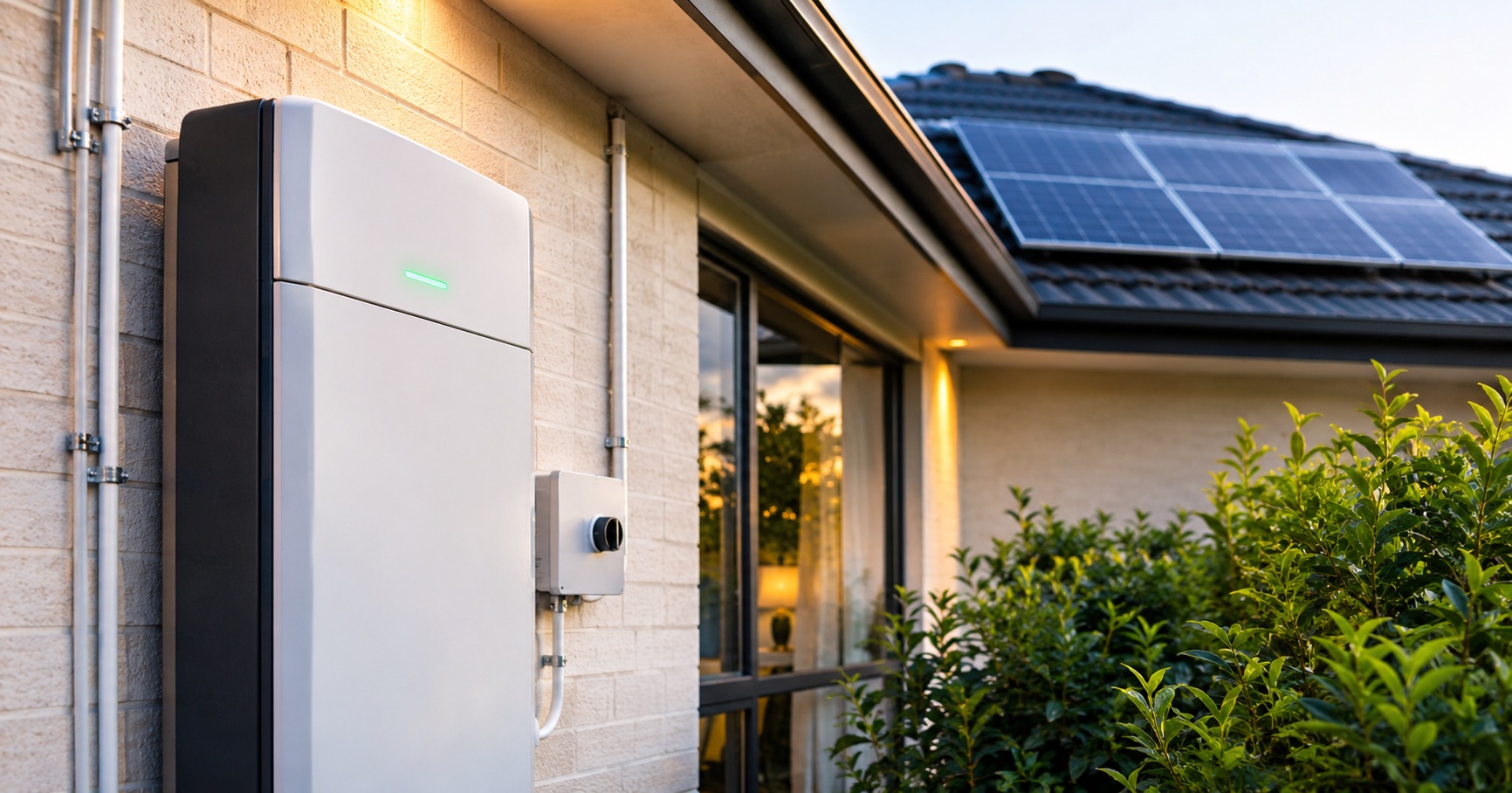
Home battery uptake stays strong after rebate reductions
Australian households are installing about 35,000 home batteries each month despite reductions to federal subsidies in May, keeping uptake strong while scrutiny intensifies over the cost and design of government support.
More than 550,000 home battery systems have received subsidies since the Cheaper Home Batteries policy was introduced in July 2025, according to an analysis of Clean Energy Regulator data cited in the report.
The analysis estimates the program has already cost taxpayers more than $5 billion.
The continuing installation rate comes as the federal government faces pressure to identify savings across major spending programs, with Treasurer Jim Chalmers preparing a budget update.
Strong demand raises questions over subsidy settings
Lachlan Vass, a researcher at the e61 Institute, said the stronger-than-expected adoption of batteries indicated substantial private demand for the technology.
He questioned how much government support should go towards purchases households may increasingly be prepared to make without subsidies, particularly while the federal budget remains in deficit.
The Coalition has also renewed calls for the battery subsidy to be abolished.
However, the policy debate is complicated by the role household batteries can play in the wider electricity system. Batteries allow homes with rooftop solar to store electricity generated during the day and reduce their reliance on the grid during evening periods when demand and prices are higher.
The Australian Energy Market Operator said households equipped with both solar panels and batteries drew 74 per cent less power from the grid during evening peaks than households with solar panels alone.
Grattan Institute energy analyst Hamish McKenzie said the wider grid benefits of batteries could be substantial, even for households that do not own one.
He argued that while the subsidy could be considered expensive and potentially regressive, greater battery deployment was helping reduce wholesale electricity prices, distributing some of the benefits across the broader market.
Alternative funding models enter debate
McKenzie suggested the government could seek better value by making subsidy support conditional on households joining virtual power plants, allowing stored electricity to be shared with the wider grid when required.
Another option raised in the report would be to fund battery incentives through electricity bills rather than directly through the federal budget, using an approach similar to support for rooftop solar under the Small-scale Renewable Energy Scheme.
The Cheaper Home Batteries program was initially forecast to cost $2.3 billion over four years. According to the report, a design feature allowing large subsidies for additional battery capacity pushed estimates to more than $14 billion.
Energy Minister Chris Bowen subsequently reduced rebate levels before the December 2025 mid-year budget update and added another $5 billion in funding, taking the forecast cost to about $7.2 billion over the forward estimates.
The report’s estimate that more than $5 billion has already been committed was calculated by multiplying the number of small-scale renewable energy certificates issued for battery installations by a price of $40 per certificate.
The government does not provide ongoing updates on the scheme’s total cost, according to the report.
Before this year’s federal budget, departmental officials modelled possible changes to the program as the government considered spending reductions, but the existing settings were ultimately retained.
SOURCE ATTRIBUTION:
Based on reporting by The Australian Financial Review.