
Australia’s energy use falls as electrification gains pace
Australia is using less energy to generate economic output as electrification, renewable generation and more efficient technologies reshape household and industry consumption.
Federal energy data shows total energy use has fallen 4.9 per cent from its 2019 peak, a reduction of about 302 petajoules. Over the past decade, the amount of gross domestic product generated for each petajoule of energy consumed has increased by more than 25 per cent. Official statistics for 2024–25 also show energy consumption fell 0.5 per cent while the economy grew 1.4 per cent over the same period.
Electrification improves energy productivity
The shift reflects a gradual move away from fossil-fuel technologies towards more efficient electric alternatives, including electric vehicles, renewable electricity, batteries and electric household appliances.
Grattan Institute energy and climate analyst Hamish McKenzie said petrol and diesel engines lose a substantial share of their input energy as heat, making electric alternatives more efficient. He also pointed to inefficient household gas appliances as an area where electrification can reduce the amount of energy consumers need to buy.
Transport remains Australia’s largest energy-consuming sector. Rising diesel and jet-fuel use continues to support demand, although increasing electric vehicle uptake and declining petrol consumption are offsetting some of that growth.
Household gas consumption fell 2.3 per cent in 2024–25, according to the report. The continuing reduction in total energy use has occurred even as economic output has increased, underscoring the widening gap between economic activity and the amount of energy required to support it.
Rooftop solar and batteries expand
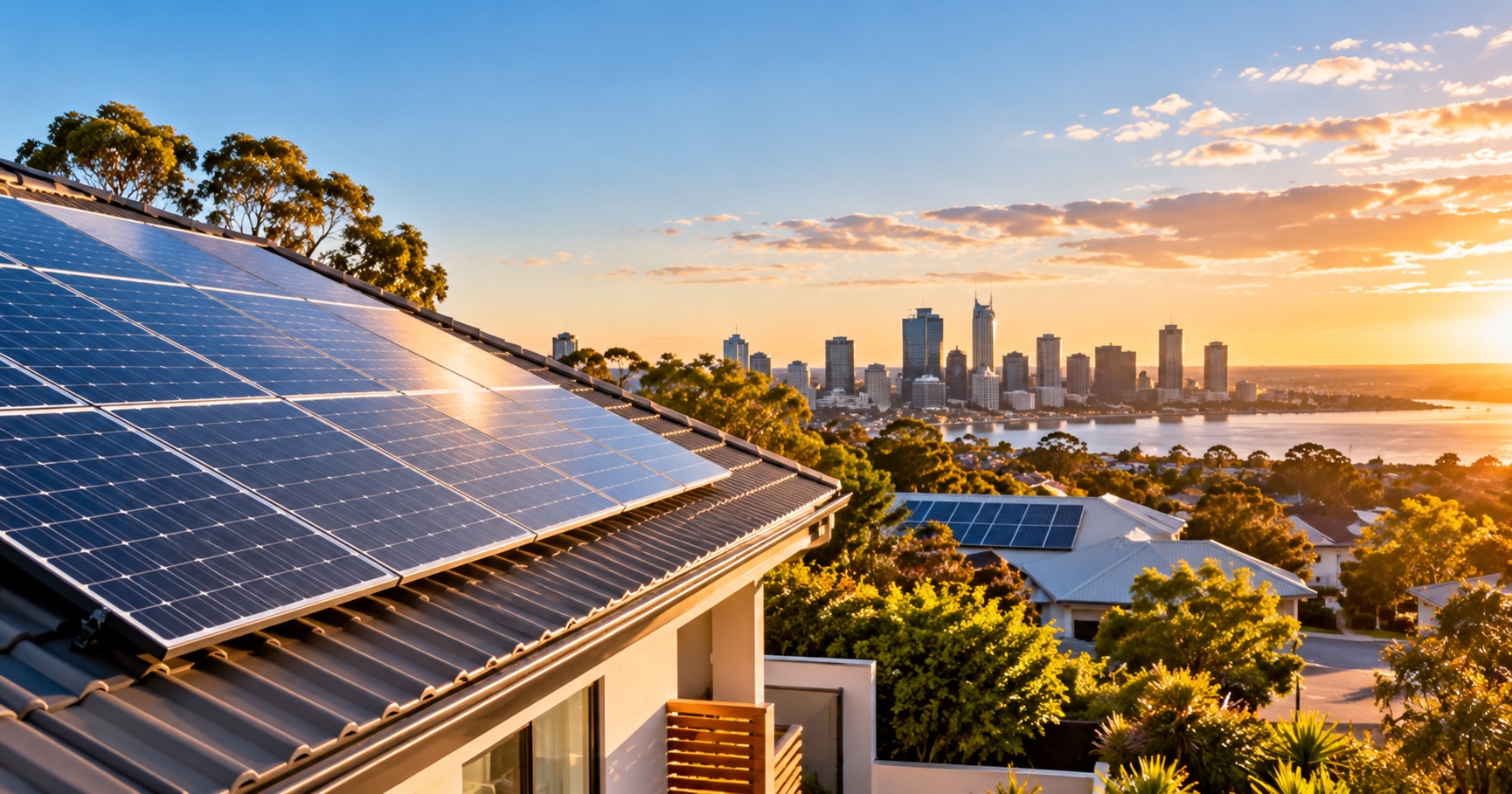
Household renewable energy is also growing rapidly. More than 100,000 rooftop solar systems were installed in the second quarter of 2026, the highest quarterly total on record, according to Clean Energy Council figures cited in the report.
The report says about one in every 2.5 Australian homes now has rooftop solar. Household batteries have also expanded strongly alongside solar, adding another element to the broader shift towards more efficient energy technologies.
For developers and investors, the changing consumption pattern is relevant because future energy requirements depend not only on new generation but also on how efficiently households, transport and industry use electricity and other fuels.
The Australian Energy Market Operator is developing a Demand-side Statement of Opportunities to identify ways energy demand can be reduced or managed more efficiently. It is expected to consider technologies including rooftop solar, batteries, electric vehicles and flexible appliances, with a draft scheduled for December. AEMO
The federal government has linked greater electrification and renewable-energy uptake with stronger energy security and reduced reliance on imported fuels. Energy Minister Chris Bowen said the combination of renewables and households switching from gas to electricity could also put downward pressure on energy bills.
For Australia’s energy sector, the data highlights a transition in which efficiency, electrification, rooftop solar and household batteries are becoming increasingly important alongside new electricity generation.
SOURCE ATTRIBUTION:
Source publication.