
Pilbara shared energy plan could save miners more than $4bn
Western Australia’s plan for common-user energy infrastructure in the Pilbara could deliver more than $4 billion in industry savings, according to a Fortescue-commissioned report that also argues federal diesel tax credits are slowing mine-site electrification.
The analysis, prepared by climate and energy advisory firm Cyan Ventures, estimates that reforming the diesel fuel tax credit system could provide $7.1 billion in economic benefits to Western Australia and bring forward industry-wide adoption of electric mining vehicles by as much as six years.
Fortescue has been pressing federal and state governments to cap diesel fuel tax credits at $50 million a year for large miners. The company argues the current system helps preserve the economics of diesel-powered equipment and weakens incentives to switch to electric alternatives. Fortescue has also promoted the proposed cap as part of its campaign for fuel tax credit reform.
Shared transmission central to Pilbara transition
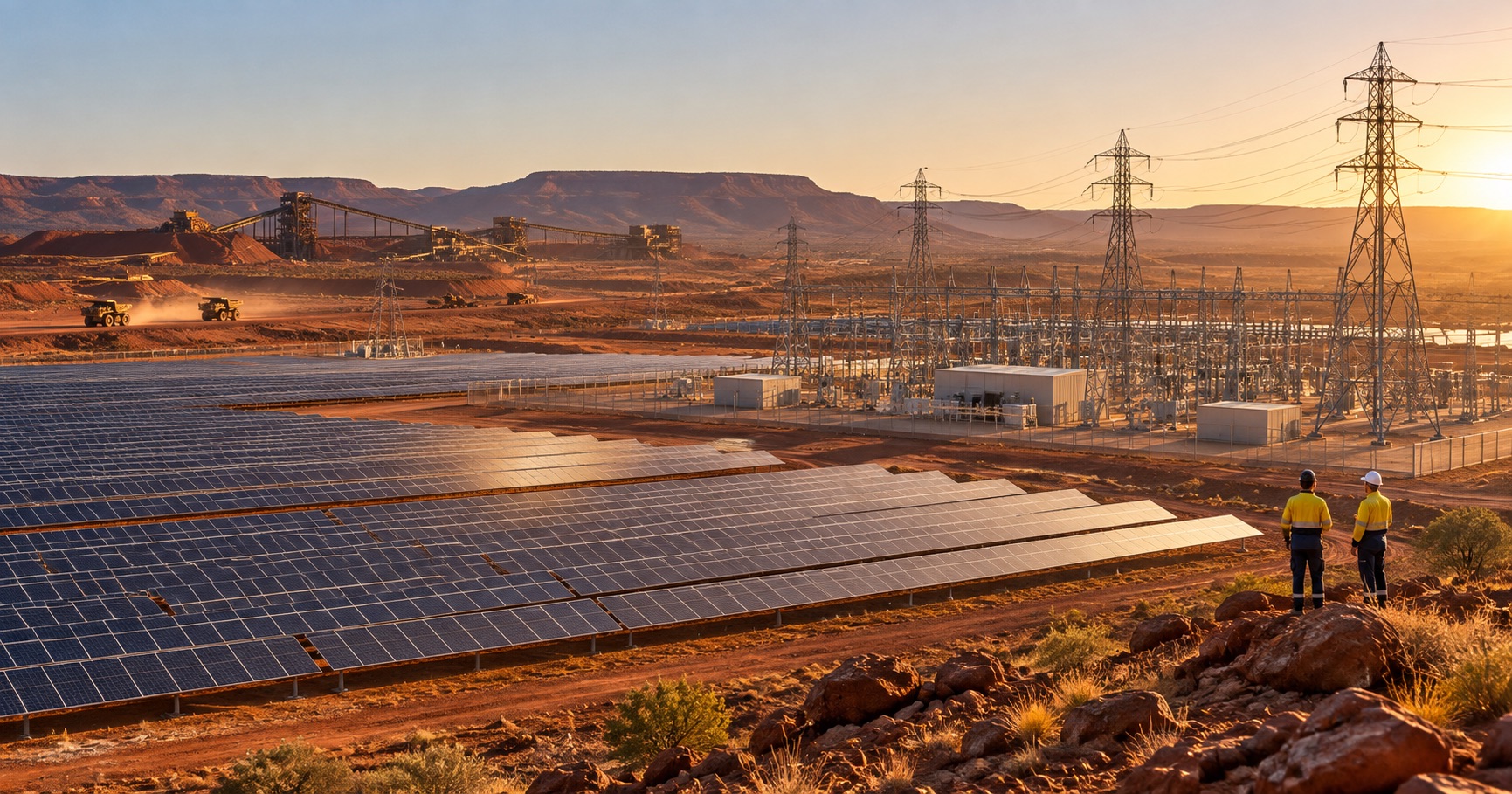
The report says fragmented infrastructure is also adding to the cost of decarbonising the Pilbara. It estimates the industry could face an additional $4.2 billion in duplicated transmission costs over the next 25 years if miners continue developing energy assets largely in isolation.
That finding is consistent with the Western Australian government’s Pilbara Energy Transition Plan, which is centred on developing common-use transmission infrastructure to support renewable energy and industrial activity across the region.
The report estimates the state government’s proposed network of common-user infrastructure could generate a further $2 billion in economic activity.
WA Energy Minister Amber-Jade Sanderson has called on major miners to accelerate decarbonisation and co-operate on shared transmission infrastructure. The state government says industry, Traditional Owners and government agencies have been working through the Pilbara Energy Transition Plan to progress common-use transmission.
Fortescue chief executive Dino Otranto said the company had been working with the state government on the transition and argued that federal policy settings should give companies stronger incentives to electrify rather than continue using diesel.
Mining industry disputes diesel credit proposal
The Chamber of Minerals and Energy of Western Australia has disputed key elements of the proposed fuel tax credit overhaul.
Chief executive Aaron Morey said shared transmission could reduce industry costs, but argued those benefits did not depend on imposing additional diesel costs. He warned that changing the tax credit system could add more than $500 million to miners’ costs without producing an environmental gain.
The disagreement also extends to the readiness of electric mining equipment. Fortescue has advocated adopting electric mining vehicles before 2030, while some Pilbara competitors have argued the technology is not yet available for a full-scale transition.
Cyan Ventures’ modelling says the mining sector’s decarbonisation ambitions are being hampered by the federal diesel rebate, which the report says has returned tens of billions of dollars in tax credits to the largest miners over the past 20 years.
The report bases its projected $7.1 billion benefit to Western Australia on operational savings for large iron ore miners, as well as additional investment and employment in regional communities.
Sanderson said the report’s findings supported the case for common-user infrastructure, which she said could save the industry billions while reducing emissions.
SOURCE ATTRIBUTION:
Based on reporting by The Australian Financial Review.